How Much Does a Truck Dispatcher Cost? Percentage vs Flat-Fee Pricing
Truck dispatchers price three different ways: percentage of gross (5-10%), flat fee per load ($50-150), or flat monthly retainer. Here is how each model actually works in 2026, real-world rates, what should be included for the price, and how to evaluate whether a dispatcher is worth it for your operation.
Herman Armstrong
Founder, FleetCollect • Former fleet compliance manager with 8+ years experience in DOT regulations and driver qualification file management.
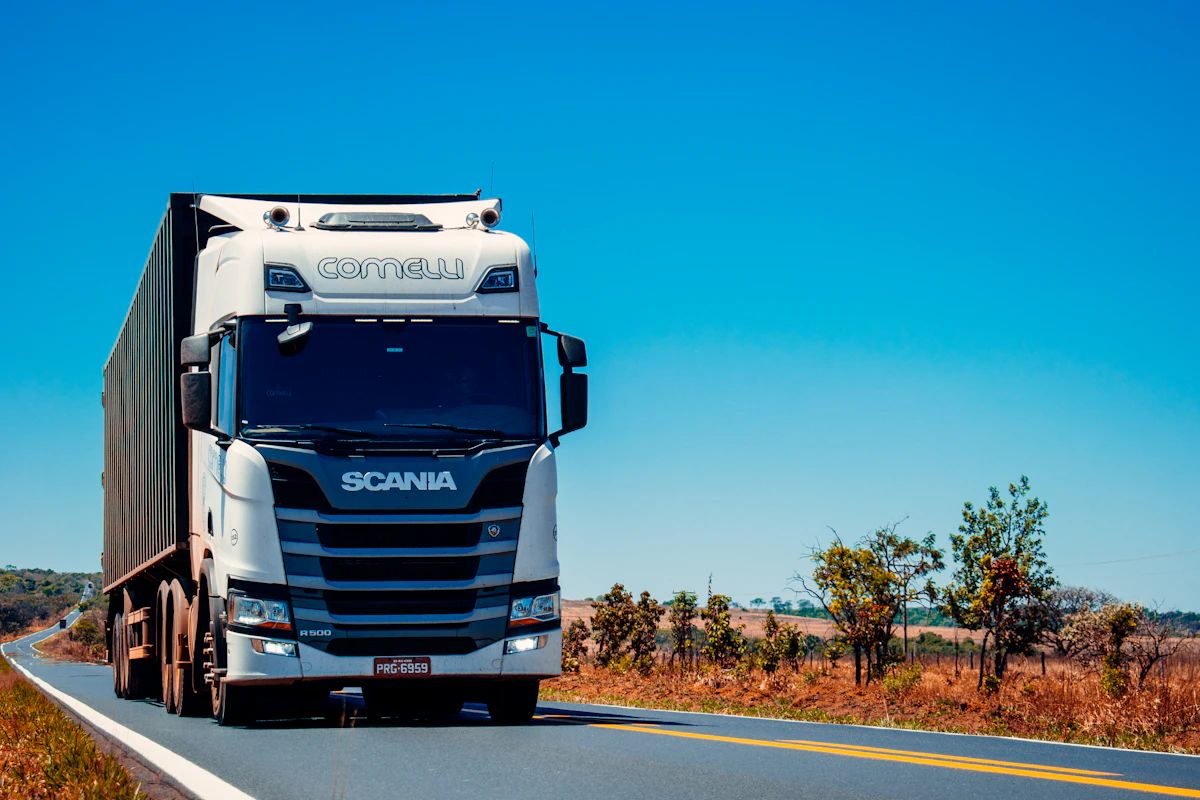
Truck dispatchers price their service three different ways: a percentage of your gross revenue (5% to 10% is typical), a flat fee per load ($50 to $150), or a flat monthly retainer per truck ($500 to $1,500). The right model depends on your average load value, your weekly mileage, and how much you value rate-negotiation effort versus predictable costs. This guide breaks down what each model actually costs in 2026, what services should be included for the price, and how to evaluate whether hiring a dispatcher beats self-dispatching for your operation.
For owner-operators just starting to evaluate dispatch options, also see our companion guide on in-house vs hiring a dispatch service for a broader decision framework.
In this guide, you will learn:
- The three dispatcher pricing models — and what each typically costs in 2026
- What services are usually included for the price
- How to calculate the breakeven point for a percentage-based dispatcher
- Red flags in dispatcher contracts to avoid
- When self-dispatching with software makes more financial sense
Pricing Model 1: Percentage of Gross Revenue
How It Works
The dispatcher takes a fixed percentage of each load's gross revenue. Typical range is 5% to 10%, with 7% as the most common rate for owner-operators. Some full-service dispatchers go up to 12% if they handle additional administrative tasks (paperwork, invoicing, broker setup).
What It Costs
Example calculation for a single owner-operator running 100,000 miles per year at an average rate of $2.50 per mile:
- Annual gross revenue: $250,000
- Dispatcher fee at 7%: $17,500 per year
- Dispatcher fee at 10%: $25,000 per year
For a fleet of three trucks at the same per-truck revenue, you triple the dispatcher cost — or negotiate a discount for multiple trucks (most dispatchers offer 1-2 percentage points off for 3+ trucks).
What's Usually Included
- Load sourcing from load boards and broker direct relationships
- Rate negotiation with brokers
- Booking and confirming loads
- Sending Rate Confirmations to the driver
- Coordinating pickup/delivery scheduling
- Sometimes: handling lumper fees, advance requests, broker check calls
When It Makes Sense
Percentage dispatching aligns the dispatcher's interest with yours — they earn more when you earn more. It works well for high-mileage owner-operators who want a single line item that scales with revenue and don't want to track per-load fees.
Watch Out For
- Percentage on fuel surcharges: Some contracts include fuel surcharge in the gross calculation. Negotiate fuel-surcharge exclusion if possible — the surcharge is reimbursement, not earnings.
- Percentage on detention/accessorial pay: Same concept — detention pay is compensation for lost time, not driving revenue. Push to exclude.
- Long-term contracts: Avoid contracts longer than 30 days notice. If the dispatcher underperforms, you need an exit.
Pricing Model 2: Flat Fee Per Load
How It Works
The dispatcher charges a fixed dollar amount per booked load, regardless of the load's revenue. Typical range is $50 to $150 per load. Higher fees apply to specialized freight (flatbed, oversize, hazmat) or longer-haul loads requiring more negotiation.
What It Costs
For an owner-operator averaging 3 loads per week at $100 per load:
- Weekly dispatcher cost: $300
- Annual dispatcher cost: ~$15,600
If those 3 loads average $3,500 gross each (so $10,500 weekly gross), the effective rate is 2.9% — significantly less than a 7% percentage-based dispatcher.
When It Makes Sense
Flat-fee works well for owner-operators running high-revenue loads where 7% of gross would be steep. For a $5,000 load, a 7% percentage-based dispatcher takes $350 — versus $100 flat fee, you save $250 per load.
Watch Out For
- No rate-negotiation incentive: Flat-fee dispatchers earn the same whether they book a $2,500 load or a $5,000 load on the same lane. They have less incentive to push for higher rates.
- Cancellation fees: Some flat-fee dispatchers charge a fee even if the load cancels before pickup. Verify in writing.
Pricing Model 3: Flat Monthly Retainer
How It Works
A fixed monthly fee per truck for full-service dispatching, typically $500 to $1,500 per truck per month depending on services included.
When It Makes Sense
Flat monthly is most common for small fleets (3-10 trucks) where the dispatcher handles all loads and administrative work, and the carrier wants predictable monthly costs. Less common for single-truck owner-operators.
Watch Out For
- Minimum-load requirements: The retainer may assume a minimum number of loads per truck per month. Underperformance still costs you the retainer.
- Surge fees: Some retainer contracts add per-load fees for loads above a monthly cap.
How to Calculate the Breakeven
The honest question: does the dispatcher consistently find loads at higher rates than you would find yourself? If yes, by how much?
Breakeven for a 7% percentage-based dispatcher at $2.50/mile self-booked baseline:
- You self-book at $2.50/mile. On 1,000 miles, you gross $2,500.
- Dispatcher books at $2.69/mile. On 1,000 miles, you gross $2,690.
- Dispatcher fee (7%): $188
- Net to you: $2,690 − $188 = $2,502
So the dispatcher has to find rates that beat your self-booked rates by approximately 7.5% just to break even. Anything below that, you would be financially better off self-dispatching. Anything materially above, the dispatcher is worth their fee.
Key Takeaway: Track the dispatcher's rate-per-mile delta against your own baseline for the first 90 days. If they're not beating your self-booked rate by at least 7-10%, they are not earning their fee.
Red Flags in Dispatcher Contracts
- Multi-month contracts with cancellation fees. Walk away — 30-day notice is the industry norm.
- Charging on fuel surcharges, detention, layover, or any accessorial pay. These are reimbursements, not earnings. Exclude in writing.
- "Exclusive dispatch" clauses. An exclusive dispatcher who blocks you from booking your own loads or working with a second dispatcher is restricting your earning potential.
- Vague service descriptions. The contract should list specifically what the dispatcher will do — load sourcing, rate negotiation, booking, paperwork — and what you remain responsible for.
- No performance metrics. A good dispatcher will share rate-per-mile data with you weekly so you can verify they are earning their fee.
When to Self-Dispatch Instead
Self-dispatching means you find loads on DAT, Truckstop, or other load boards; you negotiate with brokers; you book the loads; you track everything in a spreadsheet or dispatch software. The cost is your time — typically 5 to 10 hours per week for a single truck — plus the load board subscription ($150 to $400 per month).
Self-dispatching makes sense when:
- You have time on weekends and evenings to load-hunt and negotiate
- You have established broker relationships that book you consistently
- You run dedicated lanes where load sourcing is predictable
- The math says a dispatcher would cost more than you would earn from rate improvement
For self-dispatchers, the right tooling is what separates an organized operation from a spreadsheet mess. See our guide on the best dispatch software for owner-operators for tooling comparisons.
Frequently Asked Questions
How much does a truck dispatcher cost?
Percentage of gross (5-10%, typically 7%), flat fee per load ($50-150), or flat monthly retainer ($500-1,500 per truck). Owner-operators most commonly pay percentage-of-gross.
Is a truck dispatcher worth it?
Worth it when the dispatcher beats your self-booked rate-per-mile by at least 7-10% (the percentage-fee breakeven). For high-mileage operators who lack the time or skill to negotiate well, the answer is usually yes.
Percentage vs flat-fee — which is better?
Percentage aligns incentives but costs more on high-revenue lanes. Flat-fee is predictable but removes the dispatcher's incentive to push rates. The right model depends on your average load value.
Do dispatcher fees include factoring?
Usually no. Factoring is a separate 1.5-3.5% fee charged by the factoring company. Some full-service dispatchers bundle the two at a slight discount.
Can I self-dispatch instead?
Yes. Self-dispatching is the lowest-cost option but requires several hours per week and rate-negotiation skill. Dispatch software keeps the operation organized.
Self-Dispatch Without the Spreadsheet Mess — FleetCollect
If you self-dispatch, FleetCollect's dispatch tools give you a place to track loads, drivers, equipment, and invoicing without a stack of spreadsheets. Scan a Rate Con to auto-create a load, share live location with the broker in one tap, and send the invoice + POD in under a minute.
Disclaimer: Dispatcher pricing varies by dispatcher, region, and freight type. Rates cited here reflect typical 2026 ranges based on industry surveys and contract review. Always review specific dispatcher contracts in detail and compare against your own self-booked baseline before signing. Last updated: May 28, 2026.