Best Dispatch Software for Owner-Operators in 2026: What Actually Matters
The best dispatch software for owner-operators replaces spreadsheets, paper folders, and broker check-call phone tag with one organized system. Here is what features actually matter, how to evaluate the leading tools, and what to skip.
Herman Armstrong
Founder, FleetCollect • Former fleet compliance manager with 8+ years experience in DOT regulations and driver qualification file management.
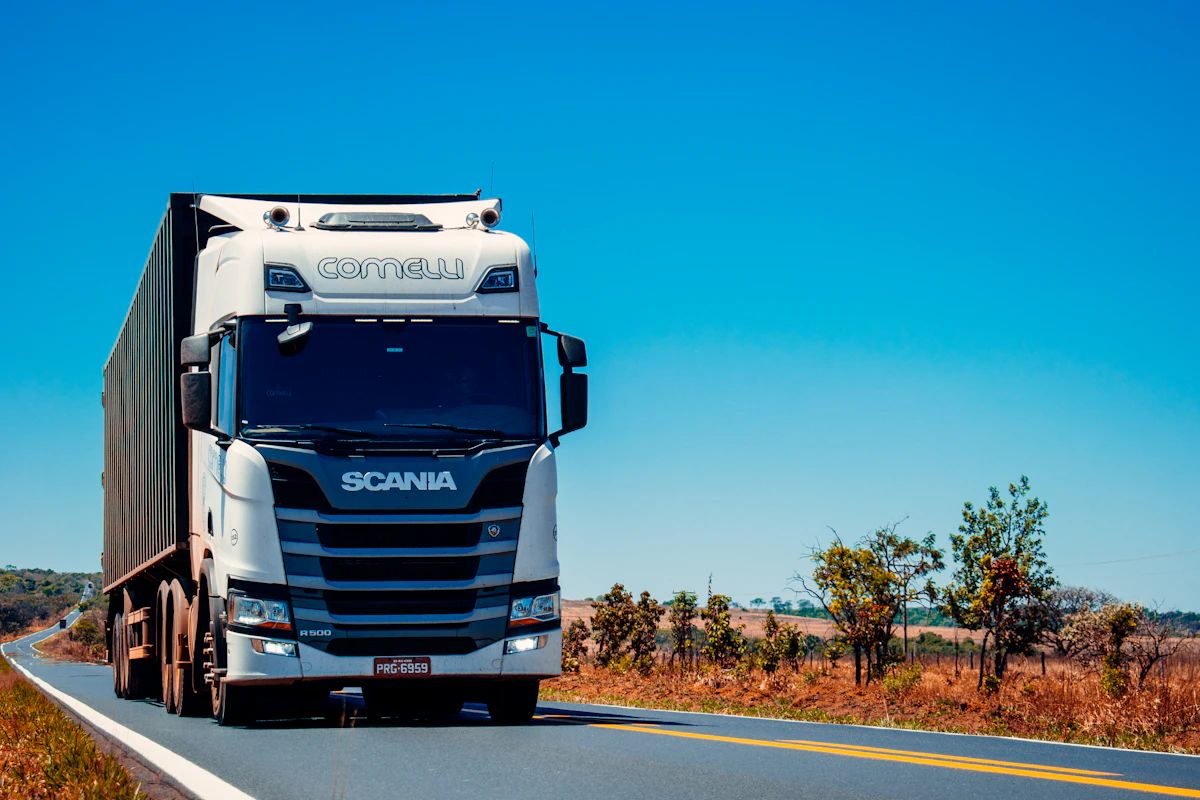
Owner-operators running 1 to 5 trucks have a different set of needs than mid-size carriers. You don't need enterprise TMS features, dispatcher hand-offs, or board-of-directors reporting. You need to track loads without losing them, get paid faster, stop playing phone tag with brokers about ETAs, and keep your DOT compliance straight. The best dispatch software for owner-operators in 2026 is the tool that solves those problems without forcing you to pay for features built for fleets of 50.
This guide covers what to actually look for, what to skip, and how the leading owner-operator-focused dispatch platforms compare. For pricing-model comparison between hiring a dispatch service versus self-dispatching with software, see our guide on truck dispatcher costs.
In this guide, you will learn:
- The 5 features that actually matter for owner-operator dispatch
- What's a "feature" vs what's a "TMS upsell you don't need"
- What pricing to expect in 2026
- The leading owner-operator dispatch software platforms compared
- Common mistakes when picking dispatch software
What Actually Matters: 5 Core Features
1. Rate Con Scanning / Load Auto-Creation
Brokers send Rate Confirmations as PDF or image attachments. The best dispatch tools let you scan or upload the Rate Con and auto-create the load — broker name, pickup/delivery, rate, equipment — without typing it in. This single feature saves 5-10 minutes per load. Over 200 loads a year, that's a full workweek back.
2. Live Location Sharing with the Broker
Brokers want check calls. Drivers hate them. Dispatch software that lets the driver share live GPS location with the broker via a tap (no app install required on the broker side, just a link) replaces the constant "where are you" calls. Brokers see real-time location; the driver focuses on driving.
3. Invoice + POD Generation in Under a Minute
The faster you invoice, the faster you get paid. A dispatch tool that turns a delivered load into an invoice with the POD attached — sent to the broker's AP email in one tap — beats the alternative (typing the invoice manually, scanning the POD separately, attaching to email, sending) by 10+ minutes per load.
4. IFTA Mileage Tracking
If you run interstate, you file IFTA quarterly. Dispatch software that auto-tracks state-by-state mileage via GPS (and feeds it into the quarterly return) saves the entire end-of-quarter scramble. Without it, you're reconstructing miles from fuel receipts and trip sheets at 11pm on April 29.
5. Equipment / Compliance Tracking with Expiration Alerts
Your registration, annual inspection, and insurance all expire on different dates. A tool that tracks these per truck and alerts you 30 days before expiration prevents the "expired registration at a roadside inspection" disaster. Same idea for driver qualification files if you have hired drivers.
Key Takeaway: If a tool covers these 5, it solves 90% of what an owner-operator actually needs in dispatch software.
What to Skip (Mostly TMS Upsells)
- Multi-level user permissions, role hierarchies, audit logs: Built for fleets of 50+. You don't need them.
- Advanced load-board integrations and AI rate prediction: Nice-to-have, but rarely worth a $100/month premium for a 1-truck operator.
- Driver mobile apps with chat, gamification, leaderboards: Adds complexity, rarely used by single-truck owner-ops.
- EDI broker integrations: Enterprise feature. Brokers smaller than mega-fleets don't use EDI.
- Built-in factoring or fuel-card features: Bundle features that lock you in. Better to contract factoring and fuel cards separately at competitive rates.
Pricing in 2026
Owner-operator dispatch software pricing:
- Free or freemium tier: Limited loads/month, basic features. Useful for evaluation.
- Owner-op tier ($20-50/month): Core dispatch features for 1 truck.
- Small fleet tier ($30-80/truck/month): Multi-truck support, more features.
- Mid-size tier ($80-150+/truck/month): TMS-adjacent features, accounting integrations.
Most owner-ops land in the $30-60/month range for a single truck — a reasonable price for the time saved.
Leading Owner-Operator Dispatch Platforms Compared
The owner-operator dispatch software market in 2026 includes a mix of dedicated owner-op tools and small-fleet platforms that scale down. Here are the categories to evaluate:
Mobile-First Owner-Op Dispatch (Best for Single-Truck Owner-Operators)
Phone-first apps designed for owner-operators who do their own dispatch from the truck cab. Rate Con scanning, broker location sharing, invoice generation, IFTA tracking — all on iPhone. Pricing: $30-60/truck/month. FleetCollect fits this category.
Small-Fleet Dispatch Platforms (Best for 2-10 Trucks)
Multi-truck dispatch with desktop and mobile interfaces, driver assignment, dispatcher views. Examples: Truckbase, Truckstop's TMS, ITS Dispatch. Pricing: $50-120/truck/month.
Full TMS Platforms (Best for 10+ Trucks)
Comprehensive transportation management with accounting, EDI, advanced reporting. Examples: McLeod, TMW, Axon. Pricing: $150-400+/truck/month. Overkill for owner-operators.
Load Board + Light Dispatch (Best for Pure Self-Dispatchers)
Load boards like DAT and Truckstop increasingly bundle light dispatch features. Best for owner-ops who already pay for a load board and only need basic load tracking. Pricing: $150-400/month for the load board, with dispatch features included or as add-on.
How to Evaluate Dispatch Software
- Take the free trial. Use it on real loads. Don't evaluate based on demos — book a real load through the tool and run it end-to-end. The friction shows up in real use, not in a sales demo.
- Time the invoice-send workflow. From "load delivered" to "invoice in broker's inbox" — how many taps, how many minutes? Anything over 2 minutes is too slow.
- Test the Rate Con scan. Forward a real Rate Con. How accurate is the auto-fill? How much retyping do you do?
- Test broker location sharing. Send the share link to yourself. Does it work without an app install? Does the broker see clear, current location?
- Check the IFTA workflow. Does it auto-classify state-by-state miles? Does it produce a quarter-end summary that matches what the IFTA return requires?
- Read the cancellation policy. Avoid tools that charge for full annual contracts paid upfront. Month-to-month is the industry norm in 2026.
Common Owner-Operator Dispatch Software Mistakes
- Picking the cheapest tool, then growing into limits. The "free tier" tools often cap loads/month or trucks. If you grow past the cap, migration is painful.
- Picking an enterprise TMS for a 1-truck operation. The complexity is a tax on every interaction. Match the tool to the operation.
- Ignoring mobile. Owner-ops live in the truck. Desktop-only tools force you back to a laptop for tasks that should happen on the phone.
- Skipping IFTA features assuming you'll handle it separately. Then April 29 comes and you're reconstructing miles. Bake IFTA into the dispatch tool.
- Locking into bundled factoring or fuel cards. Bundle pricing rarely beats best-of-breed standalone services. Keep them separate.
Frequently Asked Questions
What does owner-operator dispatch software do?
Organizes loads, drivers, trucks, broker communications, and invoicing in one place. Best tools include Rate Con scanning, live broker location sharing, invoice generation with PODs, IFTA mileage, and equipment expiration tracking.
What is the difference between dispatch software and a TMS?
Dispatch software focuses on day-to-day operations. A TMS is broader — accounting, EDI, advanced financial reporting. Owner-operators usually need dispatch software, not a full TMS.
How much does it cost?
$20 to $150 per truck per month. Single-truck owner-ops typically pay $30 to $60/month for core features.
Do I need it if I only have one truck?
Most single-truck owner-ops benefit — it saves several hours per week on load tracking, invoicing, and compliance.
What features should I prioritize?
Rate Con scanning, live driver location sharing, fast invoicing with POD, IFTA tracking, equipment expiration alerts.
Try FleetCollect Dispatch — Built for Owner-Operators
FleetCollect is dispatch software designed for owner-operators and small carriers running 1-10 trucks. Scan a Rate Con to auto-create a load. Share live location with the broker in one tap. Send the invoice + POD in under a minute. Auto-track IFTA mileage state-by-state. All from your phone.
Disclaimer: Dispatch software pricing, features, and vendor capabilities change. Pricing ranges cited reflect typical 2026 market data; verify current pricing directly with each vendor before purchasing. Specific feature comparisons should be validated through hands-on trials. Last updated: May 28, 2026.